Top Circuit Board Elements Explained for 2026 Why They Matter?
In 2026, understanding circuit board elements is crucial for technological advancement. These components form the backbone of modern electronics. They enable devices to function effectively and efficiently.
Circuit board elements include resistors, capacitors, and integrated circuits. Each plays a pivotal role in the operation of devices we rely on daily. For example, resistors control voltage and current, ensuring optimal performance. However, not all circuit board designs are perfect. Mistakes can lead to overheating or device failure. These issues highlight the need for precise engineering.
As technology evolves, so too do these elements. Emerging materials and designs present both opportunities and challenges. Innovation can enhance efficiency, yet it often requires careful consideration of trade-offs. The importance of circuit board elements cannot be understated. Understanding their roles can drive future innovations in the tech industry.
Overview of Circuit Board Elements and Their Functions
In the realm of electronics, circuit board elements play a pivotal role. They are essential for connecting various components. The printed circuit board (PCB) serves as the backbone. In 2022, the global PCB market exceeded $60 billion, and it is projected to grow by 6.5% annually through 2026. This growth reflects the increasing complexity of modern devices.
Key elements of PCBs include the substrate, copper traces, and solder mask. The substrate provides structural support. Common materials like fiberglass or epoxy resin are frequently used. Copper traces facilitate electrical connections between components. Their width can influence resistance and current capacity. Moreover, the solder mask protects these traces from environmental damage. Surprisingly, about 10% of defects in PCBs stem from poor solder mask application.
Understanding these elements is crucial, yet many overlook their significance. As devices become smaller and more intricate, the demands on these components increase. Failure to recognize the weaknesses in design can result in costly revisions. Inadequate understanding of the thermal properties can lead to overheating issues. These challenges necessitate ongoing research and refinement within the industry. Emphasizing material choices and design accuracy is essential for future advancements.
Key Materials Used in Circuit Board Production
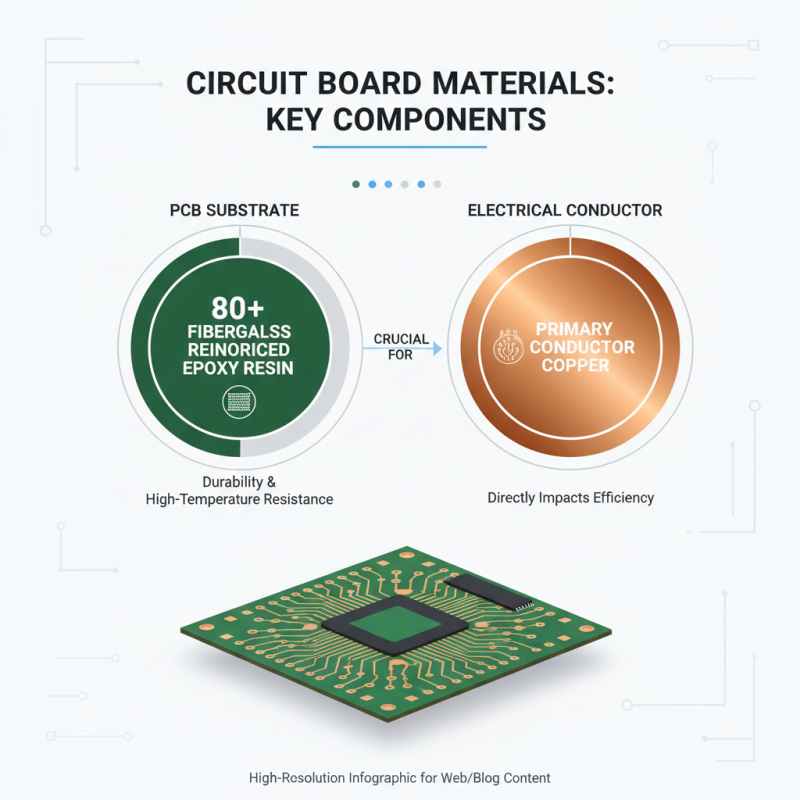
The production of circuit boards relies heavily on specific materials that define their performance. Printed circuit boards (PCBs) commonly use fiberglass reinforced epoxy resin due to its durability and high-temperature resistance. A study shows that over 80% of PCBs utilize this material. Additionally, copper is crucial, serving as the primary conductor for electrical pathways. The quality of copper directly impacts the efficiency of the board.
Another vital element is solder mask. This layer protects the copper traces and helps in the assembly process. Polyimide is also gaining popularity for its superior thermal and chemical resistance. Industry reports indicate a growth in the use of these materials by 15% annually as the demand for advanced electronics increases.
Tips: Always consider the thermal properties of materials when designing a PCB. They can impact the board's longevity. Also, periodically review material choices. In some cases, newer, more efficient materials may become available that enhance performance or reduce costs.
Importance of Layering in Circuit Board Design
Layering is a crucial aspect of circuit board design. It significantly impacts functionality and performance. Each layer serves a unique purpose, contributing to the board's overall efficiency. The arrangement of layers also affects signal integrity. Poor layering can lead to interference and malfunctions.
Designers must carefully consider the number of layers. Too few can limit performance. Too many can complicate fabrication. Striking a balance is essential. Additionally, the materials used in each layer matter. They can influence durability and heat dissipation. Using the right materials enhances overall reliability.
Another factor is the routing of traces. Proper routing within layers reduces the risk of errors. Designers need to visualize how components interact. It’s not just about fitting pieces together; it's a complex puzzle. Mistakes are common and often costly. Reflection on these aspects can lead to better designs. Each iteration offers a chance for improvement.
Trends Influencing Circuit Board Technologies for 2026
As we approach 2026, circuit board technologies are evolving rapidly. Several key trends are shaping this field.
Miniaturization is a major trend. Devices are getting smaller, but functionality needs to increase. This demand drives the development of more efficient circuit designs. Engineers are pushed to create intricate layouts with tighter spacing.
Sustainability is another crucial factor influencing circuit board technologies. The industry is shifting towards greener materials and processes. This includes the use of biodegradable components and eco-friendly manufacturing practices. Companies are beginning to rethink waste management. However, not all manufacturers are embracing these changes. Some remain resistant, worried about costs.
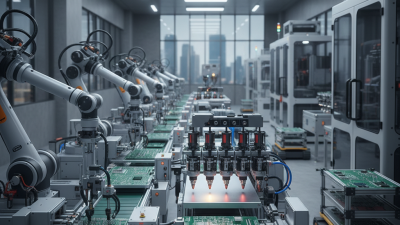
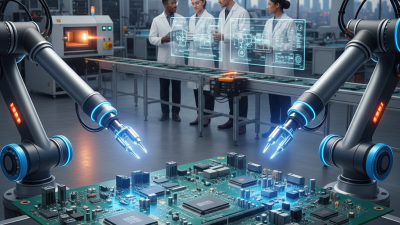
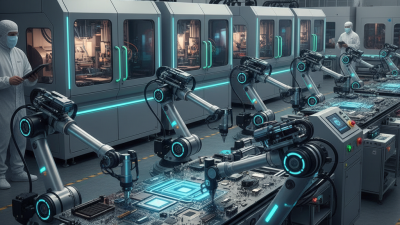
Automation and AI integration play a significant role too. As technology progresses, automation tools streamline production. This can lead to higher precision and less error. Yet, reliance on automation can create challenges. Workers may need retraining to adapt to new processes. The balance between human skill and machine efficiency is delicate.
Future Challenges and Innovations in Circuit Board Development
The evolution of circuit boards faces numerous challenges and innovations. As electronic devices become more complex, the demand for smaller, lighter, and more efficient circuit boards grows. According to a 2023 report by MarketsandMarkets, the global printed circuit board market is projected to reach $85.82 billion by 2026. This growth signals new possibilities and obstacles for engineers.
Future circuit boards must integrate advanced materials to enhance performance. For instance, flexible and biodegradable materials are gaining interest. These innovations could reduce waste but bring manufacturing challenges. High-temperature resistance and conductivity are also crucial. Balancing these attributes requires careful research and development. The complexity of such materials often leads to increased production costs.
Recent trends show a shift toward automation and AI in circuit board design. These technologies can streamline manufacturing. However, reliance on automation raises concerns about job displacement and the need for worker retraining. Additionally, the fast-paced nature of technological change often leaves a gap between innovation and practical application. This gap presents opportunities for inefficiencies that must be addressed by the industry.