
China Top Electronic Equipment Suppliers for Global Buyers

China Top Electronic Equipment Suppliers for Global Buyers

China has become a major sourcing destination for electronic equipment, serving buyers across manufacturing, healthcare, telecommunications, energy, and consumer technology. Its supplier network includes component makers, contract manufacturers, testing laboratories, and specialized system integrators. However, a long supplier list does not guarantee a dependable partnership. Buyers must examine technical capability, product consistency, certification records, production capacity, and after-sales support.

Morris Chang, founder of Taiwan Semiconductor Manufacturing Company, once stated, “Without a good ecosystem, you cannot have a good semiconductor industry.” His observation also applies to broader electronic equipment supply chains. A reliable supplier depends on skilled engineers, qualified component partners, controlled production lines, and responsive quality teams. In practice, this may involve reviewing factory audit reports, comparing sample units, checking traceability labels, and confirming whether testing follows recognized international standards.

Details matter.

A supplier may offer competitive pricing but lack stable component access. Another may provide excellent samples yet struggle with volume production. These weaknesses are easy to miss during early negotiations. This guide examines leading China-based electronic equipment suppliers through practical criteria, including manufacturing experience, engineering depth, quality management, customization capacity, delivery performance, and communication reliability. It does not assume that the largest company is always the best choice. Buyers should still request current documentation, conduct appropriate due diligence, and test products against their actual operating conditions. Even experienced sourcing teams can overlook small risks. A connector, firmware update, or packaging decision may later affect the entire project.
China Top Electronic Equipment Suppliers for Global Buyers

China’s 58.6% Mechanical-Electrical Export Share and Supplier Landscape

China Top Electronic Equipment Suppliers for Global Buyers

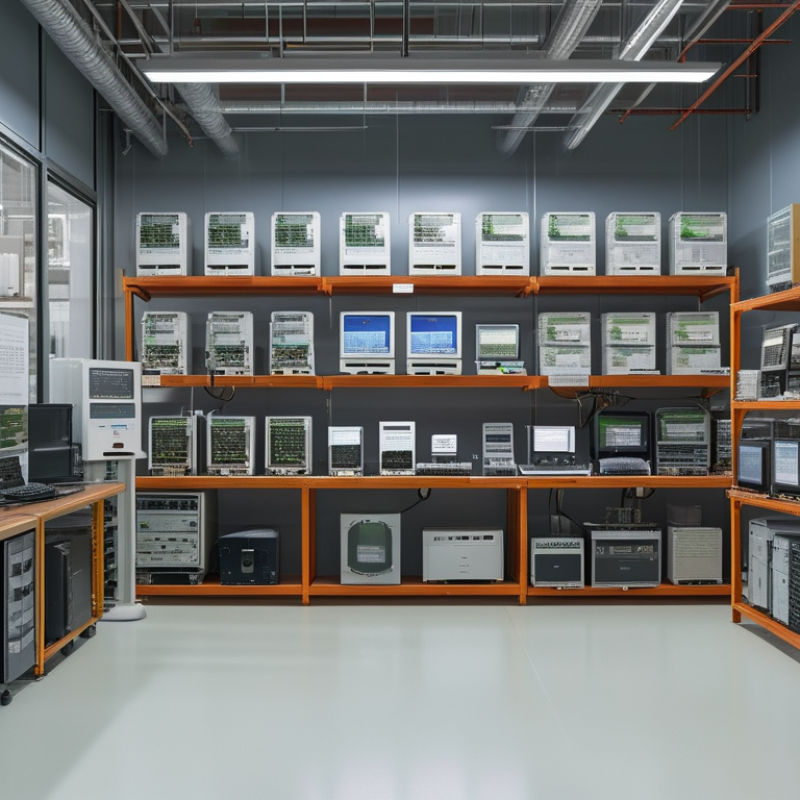
China’s mechanical-electrical exports reportedly account for 58.6% of its total export value. This figure shows the sector’s depth, not automatic supplier quality. Global buyers can source industrial controls, power equipment, sensors, testing devices, and production machinery from a broad manufacturing base. Supplier selection requires more than comparing online prices. Experienced buyers review factory capacity, engineering support, quality records, and export documentation. A virtual tour helps, but an on-site audit reveals more. Look for organized inspection stations, traceable materials, calibrated instruments, and clear packaging procedures.

Tips: Request a working sample, recent test reports, and a written production schedule. Confirm voltage, frequency, enclosure ratings, labeling, spare parts, and warranty terms before payment. Ask whether the supplier builds products in-house or coordinates several subcontractors. That answer can expose hidden delays. Keep every technical requirement in one approved specification sheet.

The supplier landscape is impressive but uneven. Some factories provide strong customization and stable batch quality. Others rely on attractive samples while struggling during mass production. A pilot order can reduce this risk. Measure defect rates, response time, delivery accuracy, and document consistency. I have found that the cheapest quotation often creates extra inspection work later. Still, even a careful audit has limits. Labor changes, material substitutions, and rushed schedules can affect results. Buyers should reassess suppliers periodically, especially when order volumes increase or product specifications change.

Core Supplier Categories: PCB, SMT, Power, Testing, and Automation Equipment

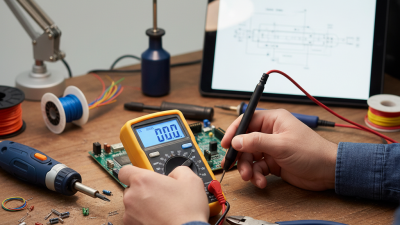
China’s electronic equipment suppliers serve global buyers across PCB, SMT, power, testing, and automation categories. In supplier audits, I examine production records, process controls, and after-sales response. PCB suppliers should provide layer control, impedance reports, material traceability, and realistic production capacity. SMT equipment suppliers need stable placement accuracy, feeder consistency, and clear maintenance procedures. A polished showroom means little without sample results.

Power equipment requires careful attention to voltage stability, thermal management, protection functions, and regional compliance documents. Testing equipment should support repeatable measurements, calibration records, and data export. Automation suppliers can improve assembly speed through inspection stations, conveyors, robotic handling, and software integration. However, integration is often harder than the sales proposal suggests. Factory layouts, operator training, and communication protocols can create unexpected delays.

Tips: Request a complete sample run before signing a large order. Compare test reports with your own measurements. Ask how spare parts are stocked and how faults are diagnosed remotely. Confirm firmware control, safety documentation, packaging details, and delivery terms in writing. Visit the production site when possible. If a supplier avoids technical questions, pause the evaluation. A small pilot order may feel slower, but it exposes weak processes before they affect a full production line.

Supplier Qualification Through ISO 9001, RoHS, CE, and IPC Standards

For global buyers, supplier qualification should begin with documented evidence, not attractive product photos. The ISO Survey 2022 recorded more than 1.26 million ISO 9001 certificates worldwide. This scale shows the standard’s reach, but certification alone does not guarantee consistent electronics quality. Request the current certificate, issuing body, scope, site address, and expiration date. The scope should cover the actual manufacturing process, not only administrative activities.

RoHS evidence should identify restricted substances, test methods, and material traceability. Ask for recent laboratory reports covering solder, plastics, cables, and surface coatings. CE compliance requires a valid Declaration of Conformity and technical documentation for applicable European requirements. It is not simply a logo on packaging. IPC standards add practical value for assembly quality, soldering, and workmanship. A supplier should explain which IPC class applies to your product and how inspectors record defects. In real audits, paperwork can look complete while process controls remain weak. This is where experienced review matters.

Tips: Compare certificates with the factory address. Check sample records. Interview the quality manager. Request corrective-action reports from recent audits. The 2023 IPC Electronics Industry Survey reported continuing pressure from supply-chain disruption and skilled-labor shortages, making process discipline more important. A small pilot order can reveal weak traceability, inconsistent solder joints, or delayed inspection records. No system is perfect. Even qualified suppliers need periodic audits, incoming inspection, and measurable corrective actions.

A 5-Step RFQ Process: MOQ, Lead Time, Yield, Warranty, and Total Cost

China Top Electronic Equipment Suppliers for Global Buyers

A disciplined RFQ starts with measurable inputs. Step one defines MOQ by SKU, package, and monthly forecast. WSTS’s Spring 2024 report projected global semiconductor sales at $588.4 billion, a 13.1% annual increase. That growth makes allocation assumptions risky. Ask suppliers to separate production MOQ from trial-order MOQ. Record tooling charges separately.

Step two confirms lead time, including component purchasing, assembly, inspection, and shipping. Request a calendar, not “fast delivery.” Step three examines yield. Ask for first-pass yield, rework rate, sampling plans, and recent process capability records. IPC industry research continues to identify material availability and skilled labor as major electronics challenges. Yield claims need evidence. Photos alone are weak.

Step four defines warranty coverage, response time, exclusions, and failure analysis. Require serial tracking and a corrective-action process. Step five calculates total cost: unit price, tooling, freight, duties, testing, rejects, inventory, and warranty exposure. Deloitte’s 2024 semiconductor outlook describes continuing capacity and supply-chain pressure, so the cheapest quote may carry hidden delay costs.

I once treated a low MOQ as a clear advantage; it created unstable scheduling and higher inspection costs. That assumption needed challenging. A useful RFQ compares three scenarios: pilot, normal volume, and demand surge. Capture every promise in writing.

Global Due Diligence: Factory Audits, 3-Stage Sampling, and Export Records

China Top Electronic Equipment Suppliers for Global Buyers

Global due diligence begins before price negotiations. A factory audit should confirm ownership, production capacity, quality controls, and worker safety procedures. Walk through the assembly area, not only the showroom. Check component storage, calibration labels, testing benches, and rejected-product records. Ask how the factory handles design changes and urgent repairs. Photographs help, but dated audit notes provide stronger evidence.

A three-stage sampling plan reduces avoidable surprises. Review documents and technical specifications before ordering samples. Then test an early production sample against voltage, durability, packaging, and user requirements. The final stage should inspect random units from a completed batch. Keep serial numbers, test results, and packaging photos together. Small details matter. One loose connector can reveal a weak process.

Export records add another layer of verification. Compare shipment history with declared capacity, product descriptions, destination markets, and delivery dates. Consistent records can support credibility, but they are not absolute proof. No audit is perfect. A clean facility may still hide subcontracting or seasonal quality problems. I would repeat key checks after a long production gap and require written answers for every unresolved finding. That extra step can feel slow, yet it often exposes assumptions that a polished factory tour leaves untouched.